2026-05-05 15:39:29
Your Outdoor Furniture Keeps Getting Replaced Every Year This Hidden Cost Is Hurting Your Business Profit
Frequent outdoor furniture replacement is not just about repurchasing costs—it includes operational disruptions, downtime, logistics, and declining customer experience. Over time, choosing low-durability furniture significantly increases total business costs and reduces profitability.
In many hospitality businesses, replacing outdoor furniture every year is often treated as a routine expense rather than a warning sign of inefficiency. Hotels, cafés, and restaurants operating in outdoor environments face constant exposure to weather and heavy usage, but the real issue lies deeper. The hidden cost of outdoor furniture goes beyond visible damage, quietly affecting operational stability, brand perception, and long-term financial performance.
Main Problem: Frequent Replacement Quietly Reduces Business Profit
The issue of outdoor furniture replacement cost in business is often underestimated because it is viewed as a short-term expense rather than a long-term financial burden. This mindset leads to recurring costs that compound over time.
1. Why Many Businesses Consider This Normal
Many decision-makers focus primarily on initial purchase price, assuming lower cost equals better value, which leads to repeated short-term savings but long-term losses. For example, choosing cheaper chairs for a large patio may seem efficient initially but results in frequent replacements. This reflects a misunderstanding of furniture lifecycle cost in business.
2. Direct Impact on Business Profit
Frequent replacements increase operational costs, disrupt daily activities, and negatively impact customer experience. A restaurant replacing broken tables every few months may need to close sections temporarily. These disruptions directly reduce revenue and efficiency.
Hidden Costs Often Overlooked in Cheap Furniture
Understanding the cost of replacing outdoor furniture in hospitality requires looking beyond purchase price into operational and experiential factors.
1. Repeated Replacement Costs
Buying furniture multiple times within a short period significantly increases total expenditure. For instance, replacing the same chairs every year triples the cost over three years. This is one of the most visible hidden cost outdoor furniture issues.
2. Operational Costs During Furniture Failure
When furniture becomes unusable, parts of the business space may be temporarily closed or underutilized. For example, damaged seating areas reduce available capacity during peak hours. This leads to lost revenue opportunities.
3. Impact on Customer Experience and Ratings
Worn-out or damaged furniture negatively affects how customers perceive quality and comfort. A hotel with visibly deteriorating outdoor furniture may receive lower reviews. This directly impacts brand reputation and occupancy rates.
4. Recurring Logistics and Installation Costs
Each replacement cycle involves transportation, labor, and setup expenses, which accumulate over time. For example, frequent deliveries and installations add hidden operational costs. These are often not included in initial budgeting.
These recurring costs are often linked to supply inefficiencies, as discussed in furniture supply challenges in sourcing.
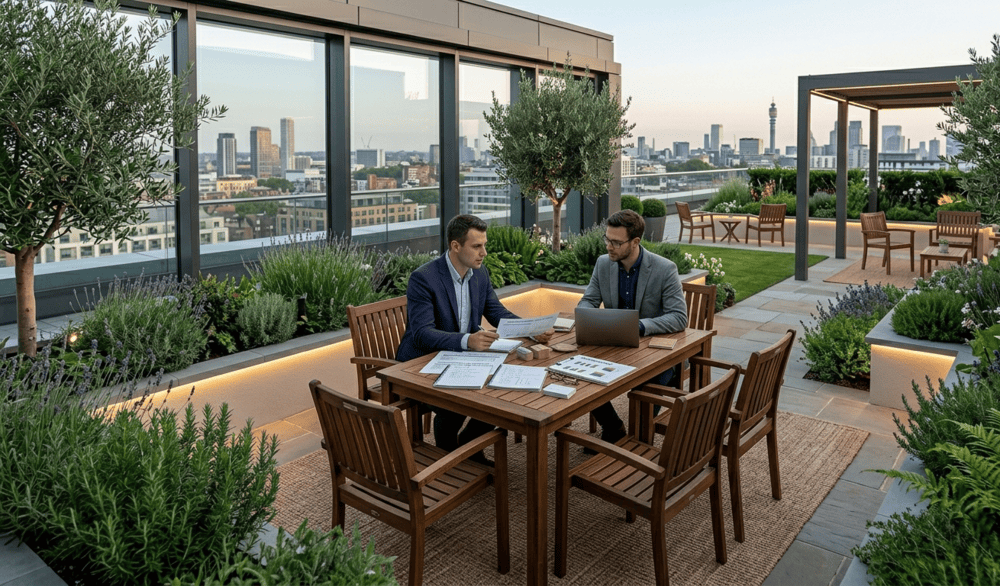
Comparison Table: Cheap vs Durable Furniture
To better understand the long-term financial impact, the table below compares short-term savings with long-term value:
| Aspect | Cheap Furniture | Durable Furniture |
| Initial Price | Lower | Higher |
| Lifespan | Short | Long |
| Replacement Frequency | Frequent | Rare |
| Total Cost (3 Years) | Higher | Lower |
| Operational Impact | Frequently disrupted | Stable |
Solutions: How to Reduce Furniture Replacement Costs
To effectively manage how to reduce furniture replacement cost, businesses must shift toward long-term value strategies instead of short-term savings.
1. Calculate Total Cost, Not Just Initial Price
Evaluating furniture based on lifecycle cost provides a clearer picture of long-term expenses. For example, a higher upfront investment with a longer lifespan results in lower cumulative cost. This approach supports better financial planning.
2. Choose Furniture Designed for Commercial Use
Commercial-grade furniture is built to withstand high-frequency usage and environmental exposure. For instance, outdoor teak furniture designed for hospitality use can endure both weather and intensive daily use. This reduces the need for frequent replacements.
3. Work with Suppliers Offering Consistent Production Quality
Reliable suppliers ensure durability through controlled manufacturing processes and consistent material quality. For example, standardized production reduces the risk of early damage. This helps improve outdoor furniture ROI in hospitality.
4. Treat Furniture as a Long-Term Business Asset
Furniture should be viewed as an investment that supports operations and brand value, not just an expense. For example, high-quality furniture contributes to customer satisfaction and repeat visits. This perspective aligns furniture decisions with business growth.
Furniture Cost Evaluation Checklist
Before making a purchase, evaluate the following factors to ensure cost efficiency:
1. What is the expected lifespan of the furniture?
Ensure the product is designed to last several years under commercial usage.
2. How often will it need replacement?
Frequent replacement indicates higher long-term cost despite lower upfront price.
3. What is the total cost over 3–5 years?
Calculate cumulative expenses including replacements, logistics, and labor.
4. Are there additional operational costs involved?
Consider downtime, installation, and maintenance costs.
5. Does it impact customer experience?
Furniture quality directly affects comfort, perception, and repeat visits.
Additional Tips
These insights help businesses avoid common pitfalls when managing outdoor furniture investments.
1. Avoid Choosing Cheap Options for Large-Scale Projects
The larger the volume, the greater the financial impact of poor-quality furniture decisions. For example, replacing hundreds of chairs frequently can significantly increase costs. This amplifies long-term losses.
2. Focus on ROI, Not Just Aesthetics
Furniture plays a strategic role in business performance, influencing both cost efficiency and customer satisfaction. For example, comfortable and durable seating can increase customer retention. This highlights the importance of outdoor furniture ROI in hospitality.
FAQ (People Also Ask)
These common questions clarify key concerns related to furniture cost and business profitability.
1. Is cheap furniture always more cost-effective?
No, because long-term replacement and operational costs often exceed initial savings.
2. What is the ideal lifespan of outdoor furniture?
It depends on quality, but for commercial use, furniture should withstand intensive usage for several years.
3. How can businesses reduce furniture replacement costs?
By selecting durable furniture and working with reliable suppliers that ensure consistent quality.
4. Can furniture impact business profit?
Yes, through both direct costs and its influence on customer experience and brand perception.
Conclusion: Cheap at the Start Can Be Expensive in the End
Furniture costs go beyond the initial purchase price, as replacement frequency and operational disruptions significantly affect total expenses. Many businesses overlook these hidden costs until they accumulate over time. Investing in durable furniture is a strategic decision that improves profitability and operational stability.
Make Smarter Furniture Investments That Protect Your Profit
Choosing the right outdoor furniture is not just about cost—it is about long-term value and business performance. Kusuma Furniture offers a wide range of outdoor furniture solutions, including chairs, tables, loungers, and teak sets, all designed for durability and long-term commercial use. Contact Kusuma Furniture today to reduce replacement frequency and optimize your business efficiency with furniture built to last.